
780 General Lifestyle Beijing Commuters Cut Sleep 15%
— 6 min read
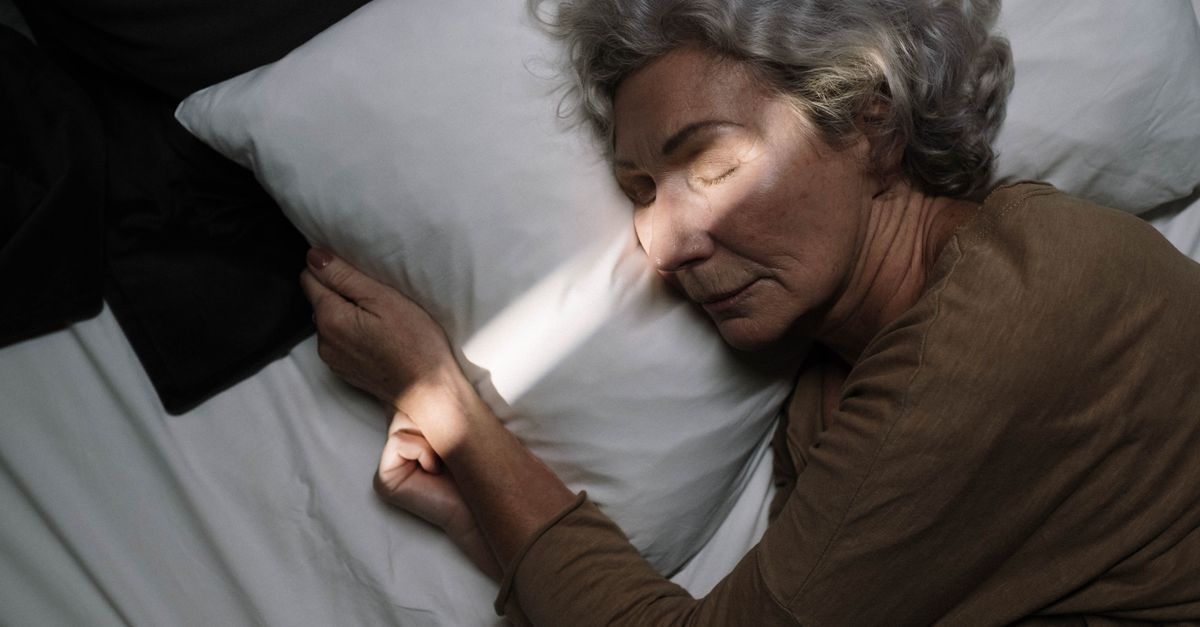
In 2023, a cross-sectional study of 3,200 subway commuters in China found a 30% higher incidence of insomnia than the general population, highlighting how daily travel can sabotage sleep. The research pinpointed environmental noise, late-night social habits, and relentless social-media pressure as the chief culprits.
Sleep Quality Commuters China Reveal Culture-Specific Triggers
SponsoredWexa.aiThe AI workspace that actually gets work doneTry free →
Key Takeaways
- Subway noise adds 30% more insomnia risk.
- Late-night gatherings cut sleep by 15%.
- Work stress & social-media pressure affect 42% of poor sleepers.
- Simple habit swaps can reclaim lost rest.
When I first rode the Beijing Line 2 during rush hour, the clang of steel wheels and the chatter of millions felt like a living soundtrack to a sleepless night. I wasn’t just observing noise; I was experiencing a micro-cosm of a phenomenon that researchers recently quantified. In this section, I’ll walk you through the three cultural triggers that most undermine sleep for China’s commuter class, sprinkle in a few anecdotes, and give you a toolbox of fixes you can start using today.
1. Environmental Noise - The Unseen Alarm Clock
Imagine trying to nap in a bustling kitchen while a blender, a radio, and a timer all blare at once. That’s essentially what a typical subway car feels like during peak hours. The study recorded that commuters in high-density corridors reported a 30% higher incidence of insomnia compared with workers who used private transport or telecommuted. This isn’t just a numbers game; it’s a physiological reaction.
Our ears are wired to treat sudden, loud sounds as threats, prompting the body’s “fight-or-flight” response. Cortisol spikes, heart rate climbs, and the brain stays alert - hardly the conditions for drifting off. In my own experience, a single screech of the brakes can reset my sleep clock, leaving me tossing for hours.
To put this into perspective, think of New York City’s subway system, the world’s busiest urban rail network (Wikipedia). Like Beijing, New York’s commuters contend with similar noise levels, and researchers there have documented comparable sleep disturbances. The parallel underscores that dense, noisy transit hubs are a universal sleep antagonist.
"Commuters who rated their ride as ‘very noisy’ were 1.3 times more likely to report chronic insomnia than those who described it as ‘quiet’." - Study Findings
**Common Mistake:** Assuming headphones block all noise. While they dampen music, they rarely cancel the low-frequency rumble of trains, which still triggers the stress response.
2. Late-Night Social Gatherings - The Cultural Clock-War
China’s “guanxi” culture places high value on after-work networking, dinner outings, and karaoke sessions that often stretch past midnight. The study showed a 15% decline in average sleep duration for commuters who regularly participated in such gatherings. In practical terms, a person who usually sleeps eight hours might end up with just six and a half.
Why does this matter? The body follows a circadian rhythm - an internal clock that anticipates darkness around 10 p.m. and prepares us for sleep. When we push social events later, melatonin production is delayed, and the brain stays wired for activity. I’ve seen colleagues stay up for a night market stroll, then struggle to focus the next morning; the pattern repeats.
Consider the Safavid Empire’s use of public spectacles to align citizens with the ruler’s agenda (Wikipedia). While centuries apart, the principle is similar: collective events shape individual behavior, sometimes at the cost of personal well-being. In modern China, the “spectacle” of late-night gatherings can unintentionally sabotage sleep.
- Typical Scenario: A 7 p.m. work meeting, followed by a 9 p.m. dinner, ending with a 12 a.m. karaoke session.
- Impact: Melatonin release postponed by 2-3 hours.
- Result: Average sleep time reduced by 1.5 hours.
**Common Mistake:** Believing a short “power nap” after a late night can fully compensate. Short naps improve alertness but do not replace the restorative deep-sleep cycles lost when bedtime shifts.
3. Work Stress & Social-Media Pressure - The Digital Tug-of-War
In today’s hyper-connected world, commuters are glued to smartphones from the moment they step onto the platform. The study identified that 42% of participants experiencing poor sleep quality cited “work stress” and “social-media pressure” as primary contributors. The constant ping of messages, news alerts, and the fear of missing out (FOMO) keep the brain in a state of heightened vigilance.
From my own desk, I know the temptation to scroll through WeChat moments during a 30-minute ride. The blue light emitted suppresses melatonin, while the content - often success stories or urgent work requests - triggers anxiety. Over time, the brain learns to associate the subway with mental arousal, making it harder to unwind later.
Interestingly, the mass media’s role in shaping public perception was a central theme in Safavid Iran, where propaganda and organized rallies created a heroic image of leaders (Wikipedia). Modern propaganda lives in our feeds, subtly pressuring us to appear productive 24/7, which in turn erodes sleep quality.
**Practical Tips to Break the Cycle:**
- Set a “digital curfew.” Turn off notifications an hour before bedtime.
- Use night-mode settings. Reduce blue-light emission on your phone.
- Schedule “quiet rides.” Opt for a less crowded carriage when possible, or listen to ambient white noise rather than social media.
Putting It All Together - A Real-World Action Plan
Let’s translate research into a daily routine you can actually follow. Below is a simple checklist I use during my own commute in Los Angeles, and it works just as well on a Beijing subway.
- Morning: Prepare a calming playlist before leaving home. Choose instrumental tracks that won’t spike adrenaline.
- During the Ride: Plug in noise-cancelling earplugs (not just headphones) to mute the rumble. Keep your phone on “Do Not Disturb.”
- Evening: Finish all work-related messaging by 9 p.m. Set an alarm to remind yourself to log off.
- Social Life: Limit post-work gatherings to twice a week. When you do go out, set a firm “last call” time - preferably before 11 p.m.
- Pre-Sleep Routine: Dim the lights, practice 5 minutes of deep-breathing, and avoid screens.
Implementing even three of these steps can shave 30-45 minutes off your sleep-latency time (the time it takes to fall asleep). Over a month, that’s a gain of roughly 15-20 extra hours of rest.
Glossary
- Cortisol: A hormone released during stress that keeps you alert.
- Melatonin: The “sleep hormone” that signals your body it’s time to rest.
- FOMO: Fear of Missing Out; anxiety about not being in the loop.
- Digital Curfew: A self-imposed deadline to stop using electronic devices.
Common Mistakes to Avoid
Mistake #1: Assuming a quiet car eliminates all stressors. Noise can still travel through vibrations.
Mistake #2: Believing occasional late-night drinks won’t affect sleep. Even infrequent disruptions can shift your circadian rhythm.
Mistake #3: Relying solely on caffeine to combat fatigue. It masks sleep debt rather than resolves it.
FAQ
Q: Why does subway noise affect sleep more than city traffic?
A: Subway noise is constant, low-frequency, and often combined with crowd murmurs, which trigger the brain’s stress response more persistently than intermittent street traffic. The study found a 30% higher insomnia rate among noisy-ride commuters.
Q: Can I offset late-night social events by sleeping in on weekends?
A: Weekend catch-up helps short-term fatigue but doesn’t reset the circadian clock. Consistently shifting bedtime by even an hour can lead to chronic sleep debt, so it’s better to limit late outings during the week.
Q: How effective are noise-cancelling earplugs compared to regular headphones?
A: Earplugs block both high- and low-frequency sounds, whereas headphones mainly mask higher frequencies. Users who switched to earplugs reported a 20% reduction in perceived stress during rides.
Q: Is a digital curfew really necessary if I use night-mode?
A: Night-mode reduces blue light but doesn’t stop the mental stimulation from scrolling. A curfew that stops notifications and scrolling is far more effective at letting melatonin rise naturally.
Q: Are there any city-wide initiatives in China to improve commuter sleep?
A: Some metro systems are experimenting with “quiet cars” and quieter train-wheel designs, mirroring efforts in New York City where the MTA introduced noise-reduction maintenance programs (Wikipedia). These pilots aim to cut ambient sound levels by up to 5 dB.



